Genres: Memoir
What has been your most rewarding moment as an author?
My most rewarding moment was when my committee chair put the final signature on my PhD dissertation, Community Development Through Industry and Education Partnerships. My wife, Jerrie Witte, typed the first draft of the dissertation proposal five years before that approval signature—on a Commodore 64 computer!
While the Commodore 64 is history, formal alliances between industry and public education are now commonplace, as I wrote about in the dissertation. Also, I got a very nice pay raise!
If you could offer one piece of writing advice to a novice author, what would it be?
This is really advice to myself as well, as I consider myself a novice writer: write every day, no excuses. Set either a minimum time or a minimum word count. I am going to set a one-hour daily minimum on my next project, which will be memoir stories of my time as a submarine sailor. This time will not be planning or outlining; this will be flow writing of the stories that are already in my mind.
What have been some of the biggest helps for developing your writing skills?
Almost twenty years ago, a friend who was a newspaper sportswriter convinced me to skip playing golf and take a memoir writing class. That class, and many other classes in memoir writing and storytelling, as well as the people who shared those classes, have become important in helping me discover what a wonderful life I’ve lived. One of the best parts of this process has been that I have convinced several other people to discover and write their stories.
Have you ever based characters on real people?
In my memoir Windmills to Submarines, all my characters were real, or at least, real to me. Hopefully the folks from my childhood would approve of my perceptions and memories of them, and their influences on me.
Some characters were a synthesis of a group of people, like typical blue-collar workers or the military veterans who went to college. A single character might have been given a name to represent a group of many important people. Sister Agnes, for example, a nun during my time in Catholic school, represents many of the valued educators from that special time.
What’s the best piece of writing advice that you’ve received?
I’ve taken advice from Stephen King and Ernest Hemmingway: Read every day! Read fiction, non-fiction, memoir. Reading is how I learn. I don’t copy the styles and content of other writers, but read to study the writing styles, characters, and genres that give me joy.
What kind of books do you enjoy reading, and how often do you read?
I read every day. I love action and adventure, how to do almost anything, and books that celebrate my life in faith and family.
For many years of my life, my personal reading needed to fit in the back pocket of my blue jeans or khaki work pants. I would re-read how Buck answered the call of the wild—in fact, I’m re-reading The Call of the Wild now! Or I would read how to refinish wood floors. I just pulled out a pocket-book and became a life-long reader.
Biography:
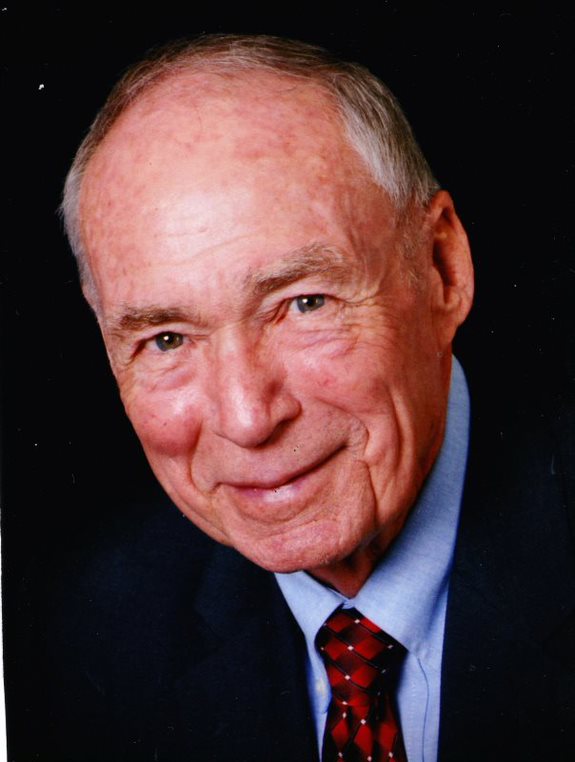
Richard (Dick) Witte is the author of Windmills to Submarines, a memoir of a Texas kid during WWII and during the 1950s.
Dick Witte served in submarines from the late 1950s through the 1970s. He was a sonarman and a Command Master Chief. He also served as Combat Systems Officer for Sonar for a squadron of fast attack submarines.
After his military service, Dick joined the staff of Tidewater Community College in the Counseling Department. Dick had been awarded a college scholarship by the Navy and received his PhD from Old Dominion University. Dick served in multiple roles in higher education, including counseling, undergrad and graduate teaching, and as Dean of Students for the community college system.
When he retired, he returned to Texas and now lives in Sun City with his wife of 67 years.

 San Gabriel Writers' League